








Leadership
Warren Buffett ends historic run as Berkshire Hathaway CEO






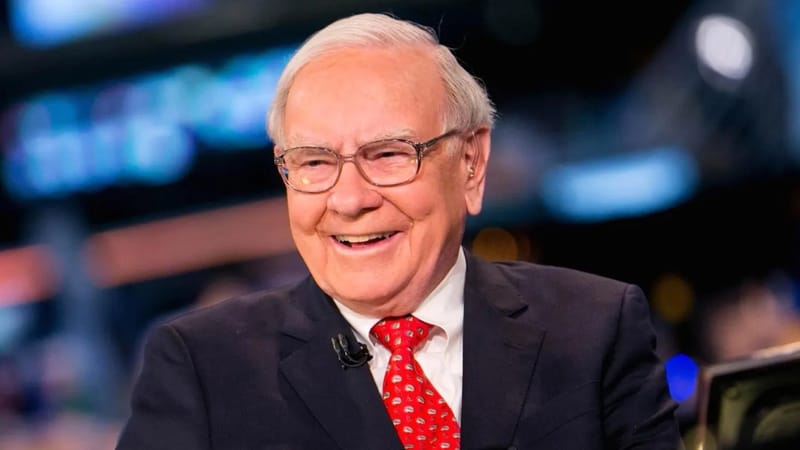
After six decades at the helm, Warren Buffett steps down as Berkshire Hathaway’s CEO, handing control to successor Greg Abel.
Warren Buffett on Wednesday served his final day as chief executive of Berkshire Hathaway, closing a 60-year run that reshaped a failing textile business into one of the world’s most valuable conglomerates.
Buffett, 95, will remain chairman of the board and continue to work from Berkshire’s Omaha headquarters, but day-to-day decision-making will pass to Greg Abel, who takes over as chief executive from January 1. Reuters reported earlier this year that the transition would mark the most significant leadership change in the company’s history.
Buffett bought control of Berkshire in the mid-1960s in what he later called his “dumbest” investment. He went on to pioneer the use of insurance “float” — premiums collected before claims are paid — to fund investments in stocks and entire businesses, a strategy that powered decades of growth and compound returns.
Under his leadership, Berkshire became a sprawling conglomerate with major holdings spanning insurance, railroads, energy, consumer brands and large equity stakes in companies such as Apple and Coca-Cola. The group’s market capitalisation now stands at about $1 trillion, the Wall Street Journal reported.
Buffett also became one of the world’s wealthiest individuals, with a net worth exceeding $150 billion, according to Forbes. He has already donated Berkshire shares worth more than $200 billion to charitable causes and has said his remaining wealth will be given away after his death.
Abel, 62, has been vice-chairman overseeing Berkshire’s non-insurance operations since 2018. He joined the group in 2000 through its investment in MidAmerican Energy, now Berkshire Hathaway Energy, and has gradually taken on broader operational responsibilities. CNBC reported that Abel has effectively been running large parts of the business for several years.
While Buffett has said he will “go quiet” as CEO, he has also indicated he could still offer counsel during periods of market stress or major opportunity. His continued presence as chairman, combined with his roughly 30% voting control, is expected to provide continuity during the transition.
The handover comes as Berkshire begins to make modest structural changes. Earlier this year, the company added a new layer of oversight across some subsidiaries, a move seen as strengthening coordination without abandoning Berkshire’s traditionally decentralised model, according to the Wall Street Journal.
Investors have reacted cautiously. Berkshire shares lagged the S&P 500 in Buffett’s final year as CEO, after initially falling sharply following the announcement of his succession plan in May, Reuters reported. The stock recovered some ground later in the year but still underperformed the broader market.
With Abel now formally in charge, attention will turn to how closely Berkshire adheres to Buffett’s long-standing principles, including patience in deploying capital and resistance to dividends. While analysts expect continuity in the near term, the post-Buffett era will test whether Berkshire can preserve its distinctive culture without the figure who defined it for more than half a century.
Topics
Author
Loading...