








Organisational Culture
‘They know they will be punished’: Singapore CEO on why employees stay silent at work
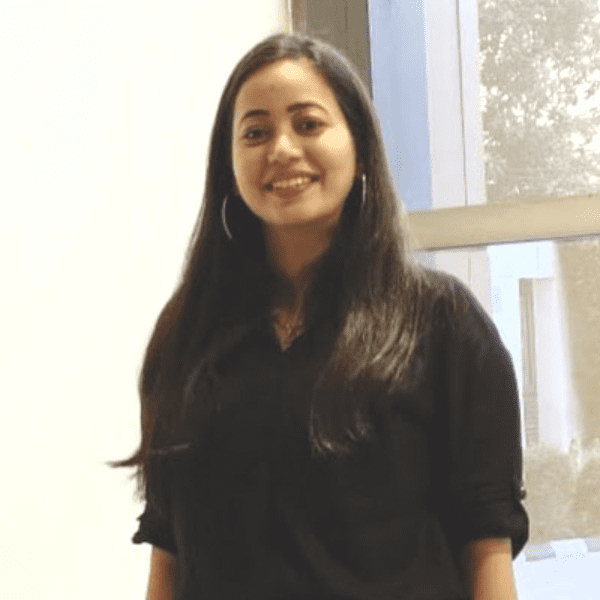






High-performing workplaces balance “high intellectual friction and low social friction,” enabling open disagreement on ideas while preserving trust and healthy interpersonal relationships.
Singapore employees are not staying silent at work because they lack ideas or engagement, but because many believe speaking up carries real professional risk, according to leadership expert Crystal Lim-Lange.
“We are tired of being told to be innovative, to have courage and to speak up, because many who have tried have faced backlash,” Lim-Lange said, adding that workers are constantly assessing whether they will be “rewarded or punished” for voicing concerns.
Speaking at Vogue Singapore’s inaugural Wellness Day on June 6, 2026, the CEO of consultancy Forest Wolf said the issue is less about training employees to speak up and more about whether workplaces are psychologically safe enough for them to do so.
In an Instagram video posted on June 6, she said Singaporeans often remain silent because they are “damn smart", aware of how organisations respond when employees challenge decisions or raise uncomfortable truths.
“It is not that employees do not know how to speak up,” she said. “It is that the environment may not support it.”
Lim-Lange said she is increasingly sceptical of companies requesting “speak up” workshops, arguing that such interventions often miss the root problem: workplace culture.
According to her, psychological safety is built across multiple dimensions, including inclusion, learning safety, contribution safety and challenger safety, all of which determine whether employees feel safe to voice dissent.
“The problem is not silence itself,” she said, “but what happens to people when they break that silence.”
In a follow-up response to Mothership, Lim-Lange said the reaction to her comments reflected a broader frustration among employees who feel repeated calls for courage are not matched by organisational behaviour.
“We are tired of being told to be innovative, to have courage and to speak up, because many who have tried have faced backlash, and are now understandably cynical,” she said.
She added that employees often self-censor to avoid being labelled “difficult” or “not a team player”, especially when previous feedback has gone unaddressed.
At the same time, she argued that responsibility does not lie with employees alone. Leaders, she said, must actively reward constructive dissent rather than suppress it.
“It shows they have skin in the game. I get more worried when there is silence in the room,” she said.
Lim-Lange emphasised that psychological safety is not about lowering standards, but about enabling honest dialogue before problems escalate into larger failures.
She also warned against “artificial harmony” in organisations, environments where interactions appear polite but meaningful disagreement is absent.
High-performing workplaces, she said, tend to balance “high intellectual friction and low social friction”, allowing disagreement on ideas without damaging interpersonal trust. In contrast, low-friction cultures may suppress debate, leading to inefficiency, passive-aggressive behaviour and poor decision-making over time.
Extending her observations beyond workplaces, Lim-Lange pointed to broader cultural patterns in Singapore, where respect for authority and harmony can discourage open challenge.
While acknowledging the benefits of social cohesion, she said Singapore will need to rethink how it handles dissent as artificial intelligence and rapid economic change reshape work.
“The question isn’t whether we can afford to hear dissenting voices,” she said. “It’s whether we can afford not to.”
Author
Loading...