








Payroll Benefits Administration
Philippines raises minimum wage for overseas domestic workers to $500





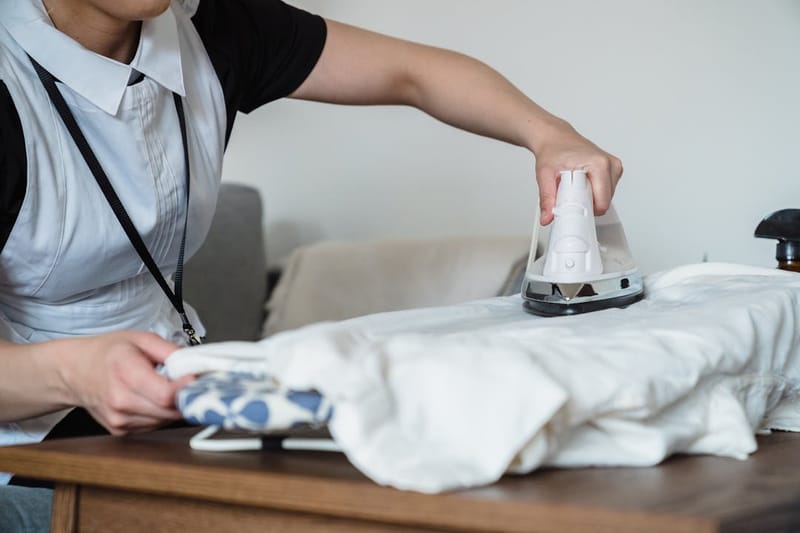
The $100 wage increase is part of the Philippine government’s reforms aimed at improving the welfare and securing the rights of overseas domestic workers.
Filipino domestic workers abroad will soon see their minimum wage rise from $400 to $500, the Department of Migrant Workers announced on Friday, as part of the Philippine government’s reforms addressing the rights and welfare of migrant workers.
DMW Secretary Hans Leo Cacdac said the $100 wage hike will be integrated into employment contracts, and the agency’s overseas offices will coordinate with host governments and private employers ‘to ensure discussion and implementation of this new wage standard.’
Cacdac added that the updated wage rates will apply to both newly hired and returning domestic workers, although they may still vary depending on local laws.
The DMW has also set a 60-day transition period for employers and recruitment agencies to adjust to the new base pay and will study further wage hikes for workers with additional skills like caregiving.
“We just need a bit more time to determine the wage levels of a caregiver… What I’m trying to say is the $500 may be increased further when a domestic worker (improves) his or her skill set,” Cacdac said in a news briefing.
The pay hike marks a significant salary increase for overseas Filipino workers since 2006. Last month, a group of manpower agencies sent a proposal to the DMW and Overseas Workers Welfare Administration (OWWA) urging the Philippine government to raise the minimum wage due to rising costs of living.
The increase is also part of President Ferdinand Marcos Jr’s administration’s eight-part reform package that includes annual medical checkups, mandatory 'Know Your Employer' (KYE) videoconferencing between employers and applicants before signing contracts, and the ‘Kumusta Kabayan?’ digital welfare monitoring system designed to identify “potential OFW welfare issues or concerns,’ Cacdac said.
The DMW also announced on Friday additional measures that cover reskilling and upskilling programs, whitelisting of compliant agencies, and rights-based legal assistance, and stricter policies for recruitment agencies.
Roughly 20% to 30% of Filipino labour deployed annually is made up of domestic workers, with Middle Eastern countries such as Saudi Arabia, the United Arab Emirates, and Kuwait as the leading destinations.
Topics
Author
Loading...