








Recruitment
Myanmar refugees now allowed to work in Thailand





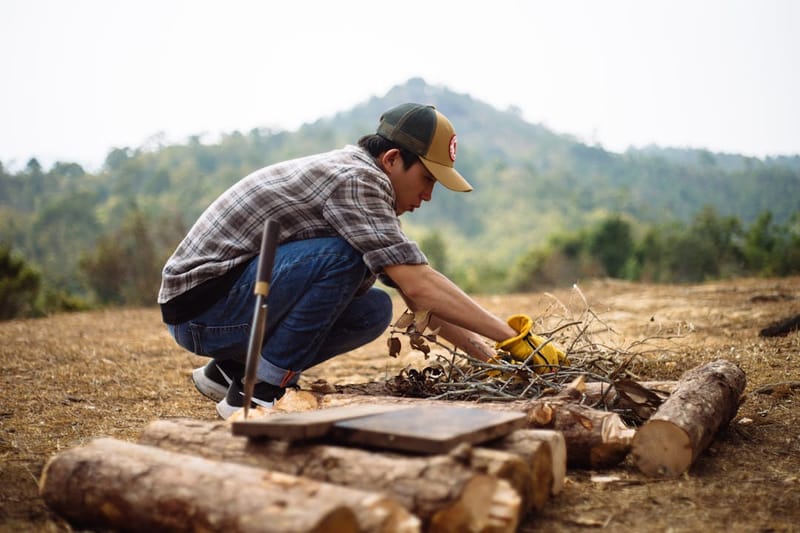
Tens of thousands of work permits will be handed out starting Oct. 1 to help fill in Thailand’s labour gap.
Thailand's new Prime Minister Anutin Charnvirakul announced on Wednesday that Myanmar refugees living in border camps can now work legally in the country for the next 12 months. The move is part of the Thai government's strategy to lessen its reliance on Cambodian labour following intense border clashes earlier this year.
Effective October 1, long-staying refugees from nine refugee camps in Thailand will be allowed to work in 43 provinces across the north, central, and eastern regions. They would also be covered by standard welfare and access to provident funds in accordance with labour laws.
"These workers will be protected because they are legitimate workers," Anutin said.
Thailand's cabinet approved measures earlier in August to provide work permits to around 80,000 refugees registered within the Thai government, half of whom are of working age. The Human Rights Watch estimates that about 108,000 refugees are currently living in numerous border camps after fleeing Myanmar's ongoing civil war and previous conflicts dating back to the 1980s.
The United Nations welcomed the decision, describing it as a 'turning point' that would not only help refugees become self-sufficient but also benefit Thailand's economy and strengthen its long-term growth.
"By unlocking the potential of these individuals, Thailand is not only upholding humanitarian principles but also making a strategic investment in its own future," Tammi Sharpe, representative of the UN High Commissioner for Refugees in Thailand, said in a statement.
The agency also pledged its support to the government in rolling out the new policy and will continue to advocate for a wider inclusion of refugees.
The policy change comes at a critical time for the Thai economy, which faces a growing labour shortage due to an aging population and the exodus of hundreds of thousands of Cambodian migrant workers following a deadly border dispute in July.
While the border between the two countries remains closed, Cambodians are reportedly attempting to return to Thailand in search of work.
Indirectly addressing Cambodia, Anutin stated the restrictions will not be eased 'for those who disagree with our regulations and conditions'.
"This is sending a message to the country that has problems with us that it cannot assume we will be short of labour or workers," he added.
Thai authorities have implemented several plans to address the labour deficit, including a pilot project in August to bring in 10,000 Sri Lankan workers. The Labour Ministry said an estimated 30,000 workers have already signed up for the project and signalled its intention to expand it to other Southeast Asian countries.
Topics
Author
Loading...