








Strategic HR
AtkinsRéalis' Asia HR leader Cindy Chiu on why belonging is key to retaining women in engineering





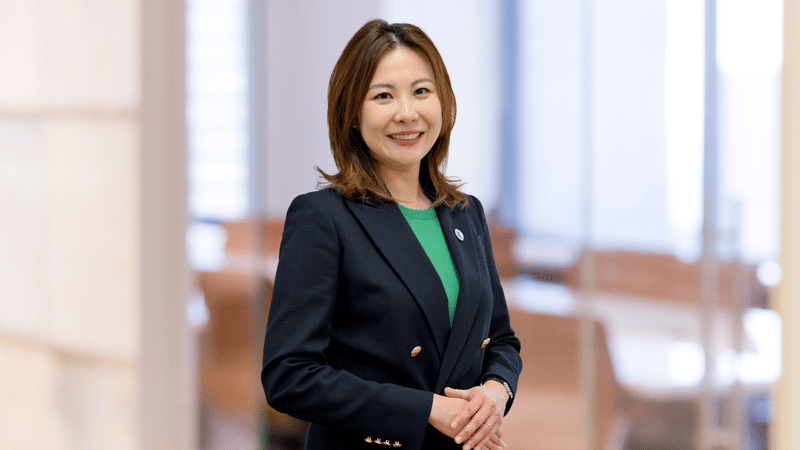
How can engineering attract and retain more women? AtkinsRéalis' Cindy Chiu shares insights on inclusion, growth, and future-ready talent.
International Women in Engineering Day (INWED) not only celebrates the achievements of women in engineering but also shines a spotlight on the steps employers and HR leaders are taking to build more inclusive, equitable, and supportive workplaces.
And today, as industries face growing demand for technical talent, rapid technological transformation, and increasingly complex challenges, attracting and retaining women in engineering has become both a workforce and business priority.
In this exclusive conversation with People Matters, Cindy Chiu, Human Resources Director, Asia at AtkinsRéalis, shares why belonging, leadership visibility, flexible working, psychological safety, and continuous development are essential to helping women build meaningful, long-term careers in engineering and shaping a more diverse future for the profession.
Edited excerpts:
Closing the gender gap in engineering requires systemic change
This is an important issue that the industry continues to address. According to the World Economic Forum’s Global Gender Gap Report 2024, women make up just 28% of the global STEM workforce. As UNESCO has also highlighted, stereotypes, limited exposure, and unequal access to opportunities continue to hold women and girls back.
At its core, this is a systemic challenge. We need to rethink the entire ecosystem, from the talent pipeline to how organisations support, develop, and advance female talent.
To make meaningful progress, we need to focus on four areas: education, early exposure, career pathways, and inclusive workplaces.
Education and exposure are where interest and confidence are built. We need to make STEM careers visible, relatable, and achievable for young women.
At AtkinsRéalis, our School of the Future programme gives students aged 14 to 16 hands-on experience in sustainability and engineering. More than 12,000 students have participated across the Middle East, and we are now bringing the programme to Asia, including Hong Kong, by the end of this year.
Beyond attracting women into STEM, we must focus on progression. Clear career pathways, leadership opportunities, mentoring, and development programmes are essential to helping women build long-term careers and grow within an organisation.
Equally important is creating an inclusive workplace. At AtkinsRéalis, we are committed to fostering a culture where everyone feels they belong. Our global programme, Different Makes a Difference, empowers people across the organisation to thrive and succeed.
While the challenge is systemic, the solutions are within reach. By focusing on these areas collectively, we can make real progress in closing the gender gap in STEM.
The business case for greater female representation in engineering
The business environment is evolving rapidly, and organisations that fail to adapt face both a talent risk and a business risk.
Across Asia, demand for engineering talent is growing, driven by major infrastructure projects and sustainability investments from both governments and the private sector. To meet this demand, we need to tap into the full workforce, embrace inclusivity, and unlock growth. But this is not just about talent, it is also about performance.
The United Nations Global Compact has highlighted that gender equality is a strategic driver of innovation, resilience, and long-term growth.
In engineering, diverse teams bring diverse perspectives, and that is critical because there is no one-size-fits-all solution to the complex challenges we solve.
Everything we design impacts people's lives, from the water we drink to the electricity we use. Infrastructure serves diverse communities, so it is important that the teams designing those solutions reflect the communities they serve. When they do, they are better positioned to deliver solutions that are practical, relevant, and effective.
And as mentioned above, globally, women represent around 28% of the STEM workforce. At AtkinsRéalis in Asia, we are proud to have reached 33%, and we continue to see strong momentum. We have achieved this by building a strong female talent pipeline and creating clear career pathways that help women grow, progress, and lead within the organisation
Architecting more mindful workplaces for women to grow and succeed
We recognise that people have different priorities at different stages of their careers and lives, and organisations need to be responsive to those realities.
Flexible working plays a key role in both employee experience and performance. When people can balance their professional and personal commitments, they are more engaged, productive, and able to perform at their best.
That is why flexible working is embedded in how we operate. For example, our international remote working policy allows employees to work from another location for up to 20 working days a year, giving them greater flexibility while staying connected and productive.
For us, flexibility is more than a workplace benefit. It helps build trust, supports engagement, and enables long-term career sustainability.
Rethinking engineering careers for a changing workforce
Safety is one of our core values at AtkinsRéalis. While physical safety is fundamental, we believe safety goes beyond the physical environment. We place equal importance on psychological safety.
When people feel safe to speak up, share ideas, and be their authentic selves at work, we create a culture of trust. That trust is the foundation of engagement, wellbeing, and long-term career growth. When people feel supported and can see opportunities to grow, they are far more likely to stay and thrive.
Importantly, we do not just talk about psychological safety, we put it into practice. This year, we introduced Mental Health First Aid training for all employees across Asia. The programme helps build awareness and equips people with practical tools to support colleagues who may be facing challenges.
I have personally benefited from the training. It has given me skills I can use to support colleagues at work, as well as friends and family members outside the workplace.
Alongside our Employee Assistance Programme, Mental Health First Aid training is one of the ways we turn our commitment into action. Together, these initiatives help create a supportive environment where all employees, including our female engineers, can thrive and succeed.
People stay where they feel safe, supported, and valued
In 2016, the World Economic Forum's discussions around Industry 4.0 highlighted how technology would reshape the way we work and live. One of the key themes was breaking down gender barriers, something that remains highly relevant today.
The good news is that we already know many of the solutions. Beyond flexible working, there are two areas that matter most.
- First, women need to see a clear pathway to leadership. They need to be able to envision their future within the organisation and know that opportunities for growth and advancement are available to them.
- Second, organisations must create a culture of belonging. When people feel valued, included, and connected, they are more likely to stay, contribute, and build long-term careers.
At AtkinsRéalis, we support this through technical training, leadership development, mentoring, career progression opportunities, and wellbeing programmes. We also have employee-led Employee Resource Groups (ERGs) that bring people together around shared interests, experiences, and life stages. These communities provide support, networking opportunities, and, most importantly, a sense of belonging.
Another important part of belonging is appreciation. I often ask people a simple question: when was the last time you said thank you?
Recognising someone's contribution, whether big or small, can have a powerful impact. It strengthens wellbeing, builds connections, and reinforces a positive workplace culture. That's why we have #WOW, our employee recognition platform, which enables people to thank and celebrate colleagues every day.
Recognition is valuable not only because it acknowledges great work, but because it reminds people that what they do matters. It helps build pride, stronger team dynamics, and a deeper sense of connection.
Through these initiatives, we aim to create an environment where our people, including our female talent, can build meaningful, long-term careers and thrive within the organisation.
Helping women rise from technical expertise to leadership
Last year, we launched Dare to Succeed, now rebranded as Rise, to help women advance their careers and strengthen our female leadership pipeline.
One of the biggest outcomes of this global programme is confidence. Whether someone is naturally extroverted or introverted, confidence plays a critical role in career growth. The programme helps participants build leadership presence, increase their impact, and step outside their comfort zones.
Ultimately, individuals are the managers of their own careers. They need to be able to speak up, influence their career journey, and pursue opportunities for growth. We provide practical tools and frameworks to help them do exactly that.
The programme focuses on leadership presence, navigating difficult situations, understanding emotions, having purposeful conversations, and building strong professional networks. Together, these skills help women strengthen both their confidence and leadership capabilities.
What makes the programme particularly meaningful is the support it receives from our leadership team.
At this year's launch, our Executive Vice President - Karl Speed, our Chief of Staff - Katie Dash, and our Vice President of Communications and Government Relations - Eleanor O'Keeffe, shared their personal leadership journeys with participants.
That sends a powerful message, reflecting a genuine commitment to our people and the development of women across the organisation.
We also pair participants with global senior leaders who serve as mentors, providing guidance, support, and perspective. That combination of structured development, mentorship, and visible leadership commitment is a key part of how we support and grow our female talent.
Engineering stronger outcomes through diverse thinking
Engineering is inherently complex, and solving today's challenges requires a broad range of perspectives. The United Nations Global Compact's March 2025 report reinforces this, highlighting that diverse and inclusive workplaces are no longer optional, they are essential.
Organisations that prioritise gender diversity benefit from stronger innovation, higher productivity, greater engagement, and better business performance.
At its core, engineering is about solving complex problems. To do that effectively, we need people with different experiences, viewpoints, and ideas. Diverse teams are better equipped to identify risks, challenge assumptions, and develop innovative solutions, ultimately leading to better outcomes for both businesses and the communities they serve.
At AtkinsRéalis, inclusion is embedded in everything we do. We create an environment where people can grow, develop, and feel a genuine sense of belonging through wellbeing initiatives, career development opportunities, and a collaborative culture.
When people from diverse backgrounds feel valued and included, they bring their best ideas forward. That helps us design more inclusive solutions, make better decisions, and deliver stronger outcomes for our clients and communities.
Technology is an enabler, people are the differentiator
Today, almost every conversation comes back to AI. Organisations are asking the same questions: How do we prepare our workforce, and how do we make the most of this technology?
The World Economic Forum's Industry 4.0 Network Report 2024–2025 offers an important reminder that technology is most powerful when it serves people.
That is why we focus on equipping our people with the skills they need for the future, including AI and data literacy. At AtkinsRéalis, our Skills to Thrive programme identifies eight critical capabilities, including AI literacy, transformational leadership, and creative and critical thinking, to help build a future-ready workforce.
But skills are only part of the equation. We must also keep people at the centre of everything we do. AI creates the greatest value when it enables people to achieve more, solve problems better, and make a greater impact.
That is why we continue to invest in our people and create opportunities for them to grow. Technology is an enabler, but it is people who connect ideas, imagine possibilities, and turn them into reality. Ultimately, it is our people who power our purpose.
Author
Loading...