








Strategic HR
Volkswagen board to consider proposal for up to 100,000 job cuts on July 9





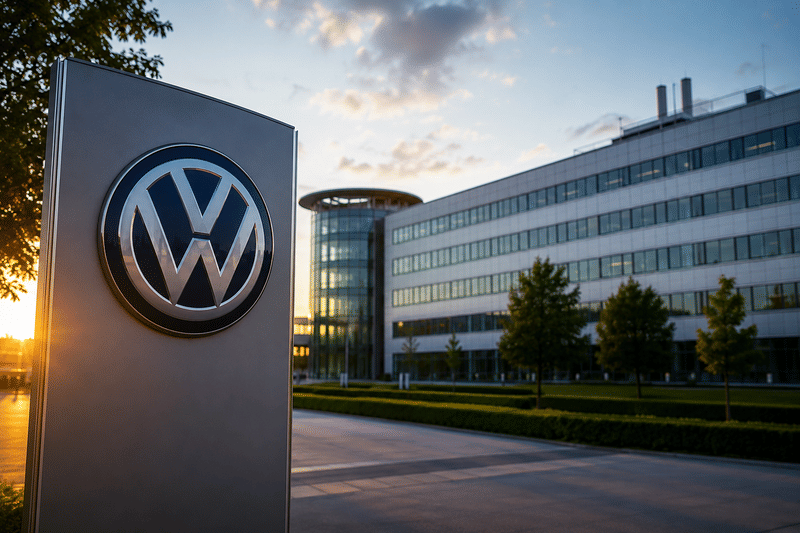
Volkswagen's Supervisory Board is set to review a sweeping restructuring proposal on July 9, with reports indicating the plan could include up to 100,000 job cuts, plant closures and a major strategic reset.
Volkswagen is preparing for one of the most closely watched board meetings in its recent history, with the company's Supervisory Board scheduled to meet on July 9 to consider a restructuring proposal that reportedly includes up to 100,000 potential job cuts.
According to Simply Wall St, the proposal also outlines possible plant closures, changes to internal decision-making structures and the end of Volkswagen's joint autonomous driving project with Bosch. If approved, the measures would rank among the largest restructuring initiatives undertaken by the global automotive manufacturer.
Cost overhaul reaches the boardroom
The proposed restructuring comes as Volkswagen navigates rising investment requirements for electric vehicles and software-defined mobility while managing the high fixed costs associated with its traditional manufacturing operations.
According to Simply Wall St, the management proposal includes:
- Up to 100,000 potential job cuts across the group.
- Possible closures of several German manufacturing plants.
- A restructuring of internal decision-making processes.
- Ending the company's autonomous driving partnership with Bosch.
The proposals remain subject to approval by the Supervisory Board and have not been adopted.
Workforce and manufacturing under review
The July 9 meeting is expected to determine the scale of workforce reductions and any changes to Volkswagen's manufacturing footprint.
According to the report, the restructuring is designed to improve operational efficiency and reduce the company's cost base as competition intensifies in the global automotive industry.
The publication noted that capacity planning has also become politically significant, particularly amid discussions about manufacturing China-developed vehicle models at German factories.
Technology strategy also faces a reset
Alongside workforce and production changes, Volkswagen is reportedly preparing to end its autonomous driving collaboration with Bosch.
According to Simply Wall St, the decision would require the company to identify alternative software partners or strengthen in-house capabilities as it continues developing advanced driver assistance and autonomous driving technologies.
The move could also influence the future direction of Cariad, Volkswagen's software division, as the group seeks to improve software execution across its vehicle portfolio.
Board approval may face resistance
The proposed restructuring is expected to face scrutiny from employee representatives and political stakeholders.
According to Simply Wall St, key issues likely to influence the board's decision include:
- Opposition from labour unions represented on the Supervisory Board.
- The role of Lower Saxony, a major Volkswagen shareholder with significant voting influence.
- The scale of workforce reductions and potential factory closures.
- The financial impact of the proposed restructuring on future profitability.
The publication also noted that analysts have identified concerns over Volkswagen's debt levels and operating cash flow, while forecasting annual earnings growth of 20.88% if restructuring and product initiatives are successfully implemented.
Investors await a defining decision
Volkswagen's shares are trading near a 16-year low, according to Simply Wall St, with the company reported to have a price-to-book ratio of 0.18. Investors will closely watch the outcome of the July 9 meeting for decisions on headcount, manufacturing capacity, capital allocation and technology partnerships.
The board's decision is expected to provide greater clarity on how Europe's largest carmaker intends to balance cost reduction with continued investment in electrification, software development and long-term competitiveness in a rapidly changing automotive market.
Topics
Author
Loading...