








Training Development
Most young Singaporeans open to new job opportunities, study finds
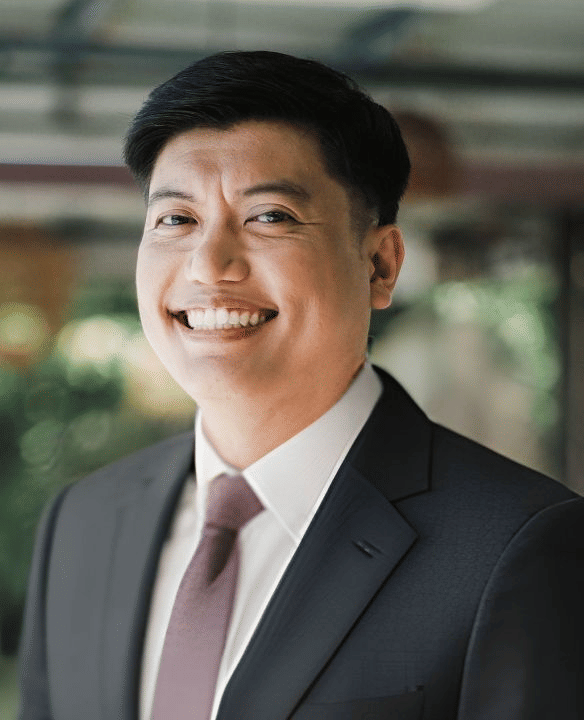





Financial gain, job stability, and flexible work are the top priorities as employers and youth differ on soft-skill expectations.
A new study by the Singapore University of Social Sciences (SUSS) has found that 68% of Singapore's youth are actively or passively open to new employment opportunities, underscoring shifting attitudes towards work in an evolving labour market.
The study identified financial gain and job stability as the top two drivers of career decisions, followed by flexible work arrangements and work-life balance. The findings, released on October 10 during a youth forum, were based on a survey of more than 1,000 Singaporean citizens and permanent residents aged 18 to 35 and over 250 employers across multiple industries.
Among respondents aged 18 to 25, 35% are actively seeking new roles, compared to 20% for those aged 26 to 30 and 19% for those aged 31 to 35. About 30% of participants in the oldest age group said they were not considering a job change, compared with 23% and 27% for the younger groups, respectively.
SUSS President Tan Tai Yong said the results highlight the importance of developing soft skills amid increased economic uncertainty and growing competition for full-time roles.
Aside from providing technical training, 'building resilience and the human skills needed to thrive in an ever-changing work space' are essential in preparing younger people to thrive in the workplace, Tan said in a speech at the forum.
Senior Parliamentary Secretary for Manpower Shawn Huang, who also spoke at the event, stressed that soft skills like teamwork, problem-solving, and communication are becoming just as important as technical skills.
"In an age where AI is replacing basic knowledge work, these skills are indispensable," Huang said.
The study also revealed a gap between how employers and young workers value specific soft skills. Employers ranked problem-solving as the most important, while the youth consistently prioritized communication and critical thinking.
"Employers will expect employees to go beyond what GenAI can do. If everyone uses it the same way, outcomes or solutions will look the same," said Associate Professor Justina Tan, the study's principal investigator. "What differentiates organizations is people who think differently, who bring fresh perspectives and creative ways to solve problems."
SUSS said its study marks the first phase of a broader initiative to address youth employability and skills development in Singapore. The university plans to collaborate with local employers and self-help groups to design programmes to strengthen soft skills among the country's young professionals.
Topics
Author
Loading...