








Wellbeing
Malaysia health ministry targets September-October for workplace mental health policy draft






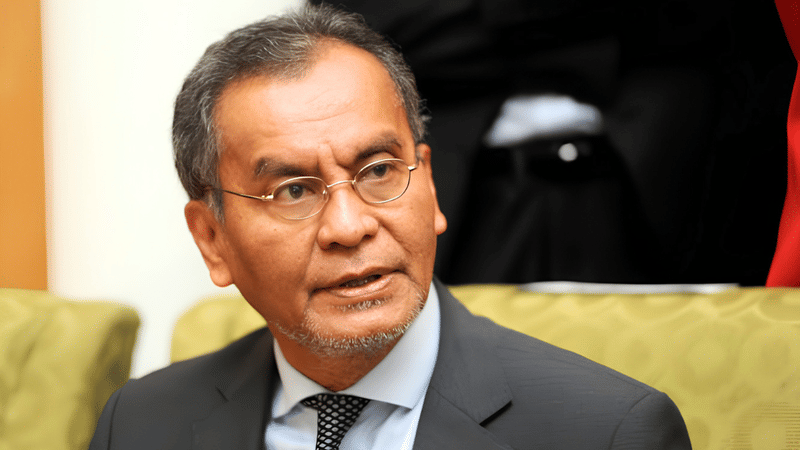
The policy is expected to go beyond workplace counselling services, with the ministry also considering measures related to work-life balance and employee support mechanisms.
Malaysia’s Health Ministry aims to finalise a draft workplace mental health policy by September or October, following consultations with government agencies, employers and workers’ representatives.
Health Minister Datuk Seri Dr Dzulkefly Ahmad said the ministry would engage with the Human Resources Ministry, the Department of Occupational Safety and Health (DOSH), the Malaysian Employers Federation (MEF) and the Malaysian Trades Union Congress (MTUC) before completing the draft.
“We are looking at a timeline of around September or October to give our team sufficient time to conduct the engagement sessions and subsequently develop the policy and guidelines,” Dzulkefly told reporters after attending the ministry’s 2026 Merdeka Celebration programme for Negri Sembilan at Hospital Rembau on Thursday (July 30).
“This is very important because mental health challenges must be given due attention,” he said.
The proposed policy is intended to create a more conducive, safe and harmonious working environment, in line with the Sustainable Development Goals (SDGs). Dzulkefly had previously announced on July 15 that the ministry would develop the policy to strengthen support for employees’ mental well-being at work.
The policy is expected to go beyond workplace counselling services, with the ministry also considering measures related to work-life balance and employee support mechanisms.
Dzulkefly said the framework would aim to help workplaces build environments that support mental well-being while reducing the risks associated with burnout and excessive workloads.
The move comes as workplace mental health increasingly becomes a focus for employers and policymakers, with organisations facing growing expectations to address employee well-being alongside productivity and workforce sustainability.
Separately, Dzulkefly said the ministry would continue strengthening hospital services nationwide through its cluster hospital model. Under the approach, specialists from lead hospitals provide services at non-specialist hospitals, while selected non-specialist hospitals may gradually be upgraded to offer specialist services based on local needs, demand and suitability.
The upgrades will cover disciplines including paediatrics, obstetrics and gynaecology, ophthalmology, and ear, nose and throat services.
Dzulkefly said the strategy would not necessarily depend on constructing new hospitals or additional blocks, but would also focus on expanding specialist service capacity and strengthening primary healthcare.
Topics
Author
Loading...