








Workforce Planning
BAT to cut 5,500 jobs, Outsource 3,500 roles in global cost-cutting restructuring






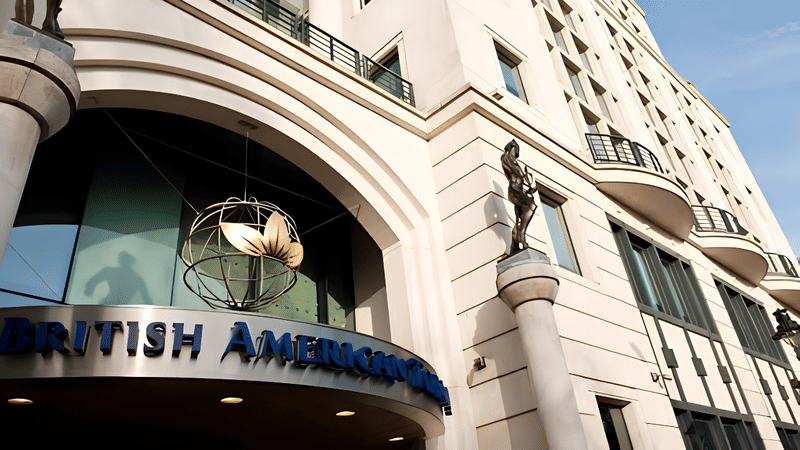
The company has transferred several service centre functions to Accenture, affecting roles across the UK, Singapore, Costa Rica, Mexico, Poland, Romania and Malaysia.
British American Tobacco (BAT) is set to eliminate 5,500 jobs and outsource another 3,500 roles globally by the end of 2026 as part of a sweeping restructuring programme aimed at reducing costs and accelerating its shift toward smoke-free products.
According to a Bloomberg report citing an internal company notice, the planned workforce reduction will affect BAT's operations across multiple markets, excluding its US business, which is managed separately through Reynolds American. The move represents a significant reduction in the company's global workforce of approximately 47,000 employees.
The restructuring is part of BAT's broader strategy to deliver £600 million (around $793 million) in annual cost savings by the end of 2028, with the majority, around £500 million, expected to be realised by 2027.
The announcement prompted a muted market reaction, with BAT shares falling as much as 1.9% in London. Despite the decline, the stock has gained nearly 13% since the beginning of the year.
Barclays analyst Pallav Mittal said that while investors were aware of BAT's cost-saving programme, the scale of the workforce reduction was larger than anticipated and could come as a surprise to the market.
Shift toward smoke-free products
The restructuring comes as BAT continues to grapple with declining demand for traditional cigarettes while investing heavily in smoke-free nicotine alternatives such as Vuse vaping products and Velo nicotine pouches.
Like several of its industry peers, the company aims to generate more than half of its revenue from smoke-free products over the long term as consumer preferences increasingly shift toward reduced-risk alternatives.
As part of this transition, BAT has also been rationalising its manufacturing footprint. The company previously announced the closure of its eighth-largest cigarette factory in South Africa, citing intense competition from illicit tobacco trade.
AI and outsourcing reshape operations
BAT's transformation strategy extends beyond factory closures. Interim Chief Financial Officer Javed Iqbal had indicated earlier this year that the growing adoption of artificial intelligence and advanced data analytics would influence future staffing requirements.
The company has also expanded its outsourcing strategy through partnerships with professional services firms. BAT has transferred several service centre functions to Accenture, affecting roles across the UK, Singapore, Costa Rica, Mexico, Poland, Romania and Malaysia. In Pakistan, selected roles have been outsourced to technology firm Systems Ltd.
Commenting on the restructuring, Chief Executive Officer Tadeu Marroco said the company remains committed to supporting affected employees during the transition.
"These changes affect many of our colleagues, and we are focused on supporting them through this transition with care and respect, as we position the business for the future," Marroco said in a statement.
Industry-wide focus on productivity
BAT is not alone in pursuing aggressive cost optimisation. Tobacco companies across the industry are streamlining operations to improve productivity while redirecting investments toward next-generation nicotine products.
Imperial Brands has said it expects to achieve annual cost savings of £320 million by 2030, while Philip Morris International has already completed more than half of its plan to generate $2 billion in savings by 2026, alongside expanding its portfolio of smoke-free products.
The latest restructuring underscores the pace at which global tobacco companies are reshaping their businesses, balancing declining cigarette demand with investments in alternative nicotine products, digital transformation, automation
Topics
Author
Loading...