








Workforce Planning
Indonesia to use 2026 Economic Census to shape future jobs and skills policies






The findings from the Census will also help pinpoint sectors and regions with strong job creation potential while tracking changes in the competencies required by employers.
Indonesia's Ministry of Manpower will use data from the 2026 Economic Census (SE 2026) to develop more targeted employment policies, as the government seeks to better align workforce development with evolving industry needs.
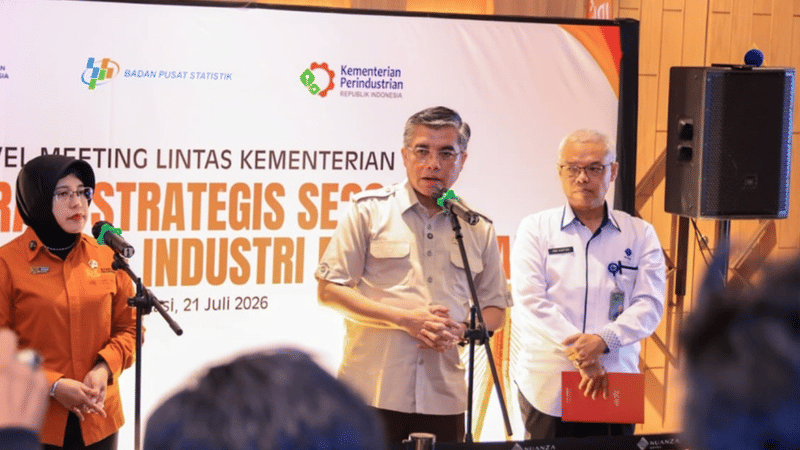
Speaking at the High-Level Inter-Ministerial Meeting titled "SE 2026 Collaboration: The Foundation of Future Industrial Competitiveness" in Bekasi, West Java, on Tuesday, Minister of Manpower Yassierli said the census would provide a comprehensive picture of the country's economic activity and labour market.
"The 2026 Economic Census will provide a comprehensive overview of business sector development, the distribution of economic activities, business characteristics by scale, and employment patterns," Yassierli said.
He said the data would enable the government to map labour market trends, identify workforce skill requirements and assess productivity needs across industries. The findings will also help pinpoint sectors and regions with strong job creation potential while tracking changes in the competencies required by employers.
According to Yassierli, insights from the census will support efforts to align vocational training programmes with industry demand, improve the effectiveness of job placement services and boost workforce productivity to strengthen Indonesia's global competitiveness.
"This census is for all of us, for Indonesia, and for future generations. A stronger industry means more prosperous workers. Let us make the 2026 Economic Census a success," he said.
The minister was speaking at an event organised by Statistics Indonesia (BPS), which brought together government agencies to strengthen collaboration ahead of the nationwide census.
At the same event, Statistics Indonesia (BPS) Head Amalia Adininggar Widyasanti underscored the importance of cross-sector collaboration to ensure the successful implementation of the census.
She called for stronger coordination between BPS, the Ministry of Manpower and the Ministry of Industry, alongside commitments from business associations, industrial estate operators, special economic zones and companies. She also urged wider public awareness campaigns and closer inter-ministerial cooperation to support data collection efforts across the country.
The 2026 Economic Census is expected to provide key economic and labour market data that will inform future workforce planning, industrial development and employment policies in Indonesia.
Topics
Author
Loading...