









The European Commission has proposed banning children under 13 from accessing social media platforms as part of a new EU-wide framework aimed at strengthening protections for minors online.
Under the proposed EU Kids Act, children aged 13 to under 15 would be able to use limited-feature “mini accounts” set up and supervised by parents or guardians. The Commission has also proposed an EU-wide minimum age of 15 for minors to create autonomous social media accounts.
The rules would extend beyond social media to video-sharing platforms, online games, AI chatbots and AI companions.
Platforms would be required to adopt “safety by design” measures, including restrictions on addictive features, profiling-based recommendation feeds, infinite scrolling, reward mechanisms and unsolicited contact from strangers. AI companions and chatbots would be subject to additional safeguards.
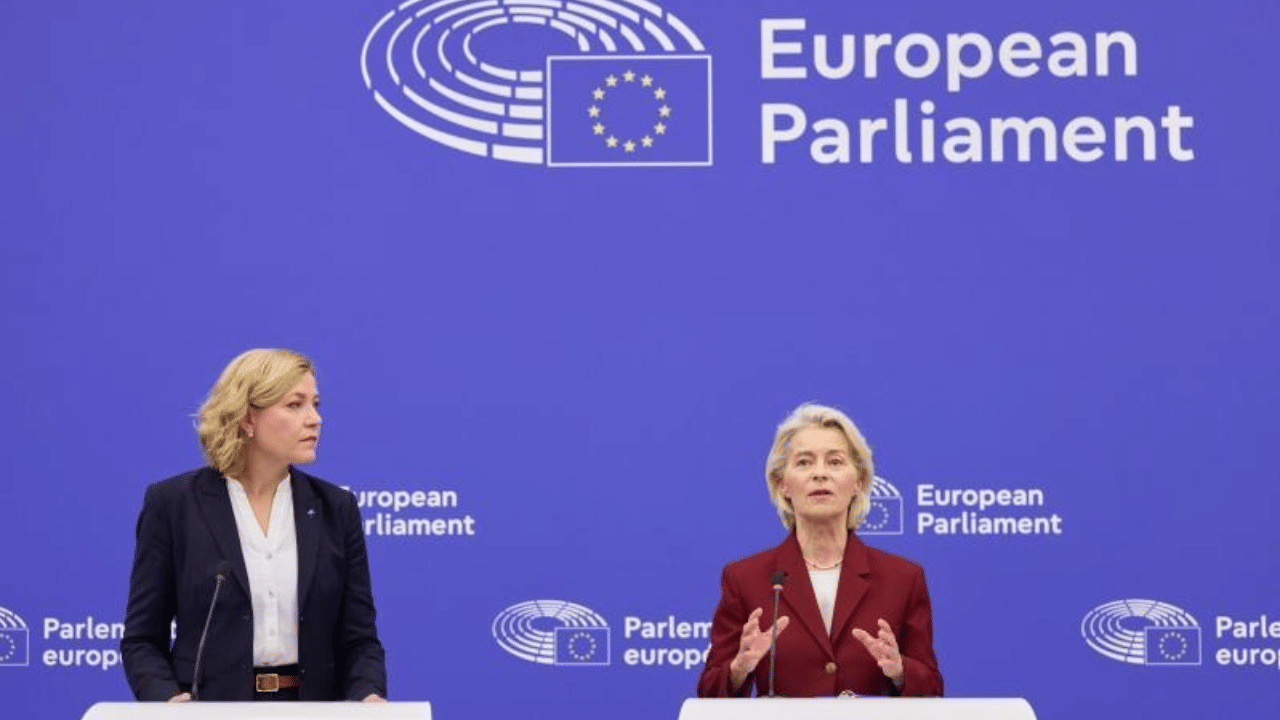
“Today, our children are engaging with the most sophisticated technologies ever created. Technology that was never created with their wellbeing in mind. Our KIDS Act is reversing the burden of proof - it is for platforms to show they are safe by design. And we put parents back in the driving seat, giving them the tools to help their children navigate a safer online world,” said Ursula von der Leyen, President of the European Commission
The Commission is also proposing stronger age-assurance requirements and parental controls. For large online platforms, providers would have to demonstrate compliance with the child-safety requirements, with fines of up to 6% of worldwide annual turnover for violations.
Henna Virkkunen, Executive Vice-President for Tech Sovereignty, Security and Democracy added, “With our EU KIDS Act, we make sure our children can enjoy their rights online - to learn, stay connected and explore. We also give parents the tools to accompany their kids to navigate a safe digital world. All of this by keeping the pressure high on platforms, because they must prove their services do not harm.”
The proposal has raised concerns from the technology industry about privacy and the security implications of age verification. CCIA Europe, whose members include major technology companies, warned that collecting age and identity information at scale could create cybersecurity risks and lead to overlaps with existing EU rules.
The legislation will now need to go through negotiations with EU member states and the European Parliament before it can become law.