








Appointments
Destry Damayanti becomes first woman to lead Indonesia’s central bank






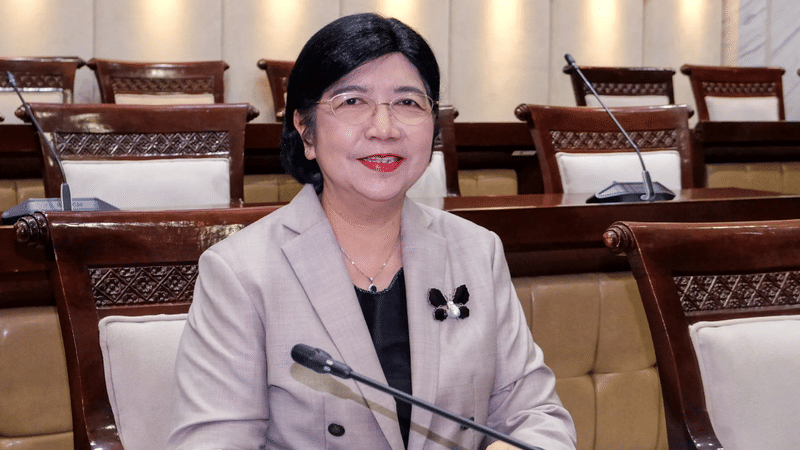
Destry was the sole nominee for the position following the surprise resignation of Governor Perry Warjiyo in July, midway through his second term.
Indonesia’s parliament has appointed Destry Damayanti as the first woman to lead the country’s central bank, with the incoming Bank Indonesia governor raising the upper end of the institution’s 2027 economic growth forecast to 6%.
Destry was the sole nominee for the position following the surprise resignation of Governor Perry Warjiyo in July, midway through his second term. Parliament’s financial committee endorsed her appointment last week, and she is due to be sworn in at the Supreme Court on Wednesday.
Speaking to lawmakers after Tuesday’s vote, Destry said Bank Indonesia (BI) expects economic growth in 2027 to range between 5.2% and 6%, compared with the previous forecast of 5.1% to 5.9% under Warjiyo.
The new upper range matches President Prabowo Subianto’s 2027 growth target of 6%. Prabowo has set an eventual goal of raising Indonesia’s economic growth to 8%.
“Bank Indonesia projects economic growth will increase in 2027 within the range of 5.2% to 6%, supported by growing confidence among economic actors and an increase in investment specifically originating from Danantara,” Destry told lawmakers.
Danantara, a sovereign wealth fund established by the Prabowo administration, has been tasked with supporting the government’s economic and policy objectives.
Destry’s appointment comes amid heightened scrutiny of the relationship between the central bank and the government. Parliament, which is controlled by Prabowo’s ruling coalition, has approved legislation expanding BI’s role in supporting economic growth, while the president has appointed his nephew as one of the central bank’s deputy governors.
The developments have raised concerns among some investors about BI’s independence. Destry, however, has sought to reassure markets that closer coordination with the government will not undermine the central bank’s autonomy.
During her parliamentary vetting, she described Indonesia’s economic environment as “highly complex” and called for stronger coordination among institutions, while stressing that cooperation with government agencies would not compromise BI’s independence.
Destry is taking over at a challenging time for Indonesia’s $1.4 trillion economy, with investors monitoring fiscal management, stock market transparency and the central bank’s autonomy.
She said maintaining economic stability would be her primary focus, while ensuring monetary liquidity remains sufficient to support growth.
“We see that global uncertainty is still high, so it means stability will still be our priority,” Destry told media reporters following the parliamentary vote.
Inflation management and currency stability are likely to remain central to that agenda. BI raised interest rates by 100 basis points between May and June as it sought to defend the Indonesian rupiah.
BI estimates that the rupiah will average between 17,300 and 17,800 against the US dollar in 2027, Destry said. The currency, which has been the weakest-performing among emerging Asian currencies, was trading at around 17,700 per dollar on Tuesday.
Destry also backed two government policies that could have implications for foreign exchange and state revenues: the centralisation of strategic commodity exports under Danantara and tighter requirements for exporters to retain their earnings domestically.
She said both measures could improve government revenues and strengthen the rupiah. BI will also continue strengthening supervision of large dollar purchases by banks and corporations, alongside tighter reporting requirements for foreign exchange transactions.
Destry’s appointment is expected to bring continuity to monetary policy. A Cornell-educated economist, she has served as BI’s senior deputy governor since 2019 and has worked closely with the institution’s existing leadership.
Her experience could also help maintain coordination between monetary policymakers and the Prabowo administration as Indonesia seeks to balance economic expansion with financial stability.
Former governor Warjiyo, speaking publicly for the first time since leaving office, said BI’s newly approved leadership should strengthen the central bank’s mandate to maintain stability while supporting economic growth.
For Destry, the immediate challenge will be managing those two objectives against a backdrop of global uncertainty, currency pressures and growing government expectations for stronger economic growth.
Author
Loading...