








Business
Filipino workforce 'aging faster' than expected: report





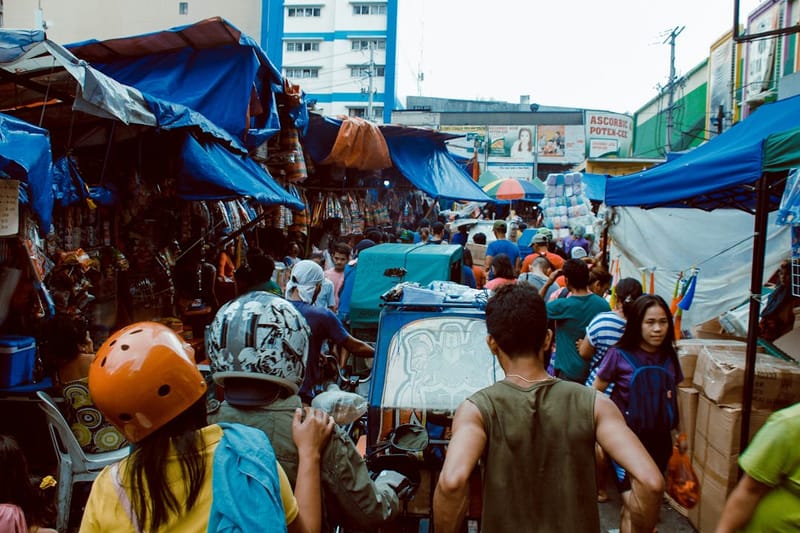
The Philippines’ labour pool may peak earlier due to lower fertility rates, higher costs of living, and more women joining the workforce.
While the Philippines is expected to retain its youthful workforce in the near future, its population may be aging faster than anticipated, according to a recent report from the UK-based research firm Pantheon Macroeconomics.
Citing United Nations projections, Pantheon said the country’s so-called demographic dividend “won’t be as big as previously thought” as its working-age population is now expected to peak in 2053, which is 24 years earlier than the previous estimate of 2077. Fertility rates also slid below the replacement level of 2.1 births per woman, dropping to 1.9 in 2022 from 2.7 in 2017, with the COVID-19 pandemic as an accelerating factor.
Miguel Chanco, chief emerging Asia economist at Pantheon, said the country joins other ASEAN countries like Indonesia, Malaysia, and Vietnam, which are also “greying more rapidly than previously expected.”
“What I found the most interesting about the Philippines’ recent demographic trends is the rapid drop in fertility rates over the past ten years or so, aligning the country more with the rates of its peers,” Chanco said in an interview with the Philippine Daily Inquirer.
Chanco said that the drop in fertility rates can be attributed to a higher female labor participation rate, wider access to contraception and family planning, and rising living costs.
An aging workforce and declining birthrate could complicate the Marcos administration’s Philippine Development Plan 2023-2028, which leans on the country’s young workers to boost growth over the next several decades.
Despite the trend, Chanco said the Philippines isn’t at risk of aging too quickly, with overpopulation and ‘brain drain’ being bigger challenges that could sidetrack the country's economic growth. He added that Pantheon continues to be ‘structurally bullish’ on the country’s demographic outlook, with an organically growing labour force that spends more on goods and services.
The Philippine Statistics Authority (PSA) estimates that there are 52.3 million Filipino workers as of May 2025, a record-breaking 2.65% increase from the previous year.
Pantheon also predicts that the country’s economic growth will slow down to 5.3% this year, slightly below the government’s growth target of 5.5% to 6.5% for 2025, and that recovery in consumption growth will be 'very gradual’ until 2026.
“This [slow recovery] remains no mystery to us, as we’ve been saying for a long time that the damage inflicted by the pandemic and the cost-of-living crisis on household balance sheets was severe and the repair work remains slow,” Pantheon said.
Author
Loading...