








Business
HSBC chief warns Middle East conflict threatens global growth and investor confidence






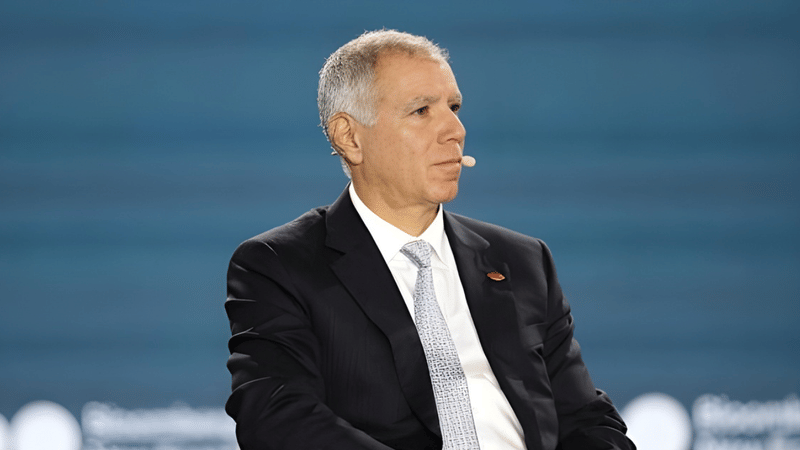
CEO Elhedery says Middle East tensions have triggered only limited capital outflows, though some wealthy investors are exploring alternative financial hubs such as Hong Kong and Singapore.
Senior executives at HSBC have warned that escalating tensions in the Middle East could disrupt global energy supplies, fuel inflation, and undermine economic confidence worldwide, underscoring the far-reaching consequences of geopolitical instability.
Speaking at the HSBC Global Investment Summit in Hong Kong, HSBC Chair Brendan Nelson stressed that a peace agreement in the region was critical to stabilising energy markets and restoring global economic momentum.
“A Middle East peace deal is essential to ensure a substantial resumption of global energy flows,” Nelson said, cautioning that oil-driven inflation remains a significant threat to the world economy. He added that persistent uncertainty would keep energy prices elevated, amplifying risks for businesses and policymakers alike.
Rising costs and uncertainties
Oil prices have surged since the outbreak of the Iran conflict, hovering near $100 per barrel amid fears of prolonged disruptions around the Strait of Hormuz, a critical chokepoint through which roughly one-fifth of the world’s oil and gas supplies typically pass. Analysts warn that any sustained disruption could have cascading effects on global trade and inflation.
Nelson cautioned that current projections for global growth, trade, and inflation should be treated with “considerable caution,” as the full economic impact of the conflict remains uncertain. “The longer the disruption continues, the more the indirect effects from higher energy costs will lift inflation and depress growth,” he said.
Financial markets have already tightened in response to rising energy costs and uncertainty. Nelson noted that interest rates in the United States, Europe, and the United Kingdom are likely to remain steady this year as higher market rates constrain financial conditions.
Adding to the pressure, analysts at ANZ estimate that around 10 million barrels per day of crude supply have been effectively removed from the market, with the potential for further reductions if tensions escalate.
Global confidence under strain
HSBC CEO Georges Elhedery echoed these concerns, warning that geopolitical instability is beginning to weigh on client sentiment.
“We’re saddened and concerned with what’s happening in the Middle East,” Elhedery said during an interview at the summit. “Some of these uncertainties have initially started to weigh on general confidence.”
He noted that the impact extends beyond oil prices, affecting fertilizers, metals, and broader supply chains. “We worry that the continuation of this conflict will have that impact globally, far beyond the Middle East,” he added.
The London-headquartered lender is among the European banks most exposed to the region, which accounts for approximately 4% of its pretax profits, according to analysts at JPMorgan Chase. HSBC also holds a 31% stake in Saudi Awwal Bank, reinforcing its strategic presence in the Gulf.
Despite heightened tensions, Elhedery said capital outflows from the region have remained limited, describing movements as “very benign.” However, some wealthy individuals have begun evaluating alternative financial hubs, including Hong Kong and Singapore.
Resilience amid strategic transformation
Elhedery struck a confident tone, emphasising that HSBC’s experience navigating pandemic-era disruptions has strengthened its resilience. “Our customers’ resilience and our own resilience are allowing us to look through some of these challenges,” he said, adding that the bank stands ready to scale operations rapidly once stability returns.
Since taking the helm in 2024, Elhedery has accelerated HSBC’s Asia-focused strategy, including a deeper commitment to Hang Seng Bank. The bank has also streamlined its global footprint by exiting select markets in Europe and North America while undertaking a sweeping organisational overhaul.
The transformation has included job cuts, divestments, and operational consolidation, moves that have been welcomed by investors, with HSBC shares rising significantly since his appointment. The CEO indicated that most of the “heavy lifting” of the restructuring has now been completed.
Looking ahead, HSBC is also exploring deeper integration of artificial intelligence to reshape operations, particularly in middle and back-office functions, as part of its long-term efficiency strategy.
Topics
Author
Loading...