








Economy Policy
Keir Starmer resigns as UK Prime Minister amid mounting Labour pressure






Andy Burnham is widely expected to succeed Keir Starmer as the next leader of the Labour Party and UK Prime Minister.
UK Prime Minister and Labour Party leader Keir Starmer has announced his resignation, bowing to growing pressure from within his own party less than two years after leading Labour to a historic general election victory.
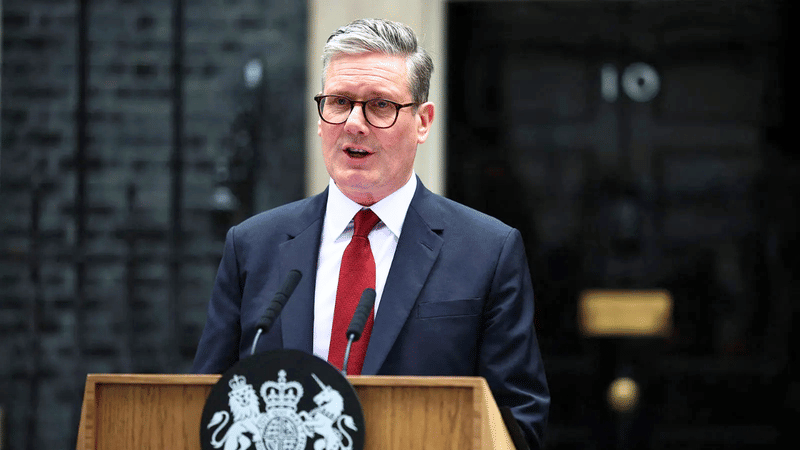
In an emotional statement delivered just minutes ago on Monday, Starmer confirmed he would step down as Labour leader after acknowledging that many of his parliamentary colleagues no longer believed he was the right person to lead the party into the next general election.
“The question my party is asking now is whether I am best placed to lead us into the next general election,” Starmer said. “I have heard the answer of my parliamentary party to that question, and I accept that answer with good grace.”
The outgoing prime minister said he had informed King Charles III of his decision and would begin the process of handing over leadership of both the Labour Party and the government.
“Every decision I have taken has been about putting the country I love first,” Starmer said. “That is why I will resign as leader of the Labour Party.”
The resignation marks a dramatic fall for Starmer, who led Labour to a landslide victory in the 2024 general election, ending 14 years of Conservative-led government and securing the party’s largest parliamentary majority since the era of Tony Blair.
However, his premiership came under increasing strain amid declining approval ratings, internal party unrest, and Labour’s growing electoral challenge from the right-wing Reform UK party, which has gained momentum in opinion polls over the past year.
Pressure intensified following a recent by-election victory by former Greater Manchester Mayor Andy Burnham, who returned to Parliament after winning the Makerfield seat. Burnham is now widely regarded as the frontrunner to succeed Starmer and is expected to attract significant support among Labour MPs.
Labour has confirmed that nominations for the party leadership contest will open on July 9. While Burnham currently leads the field, it remains unclear whether he will face challengers. Former Health Secretary Wes Streeting, who resigned from the cabinet last month in protest over Starmer’s leadership, has previously indicated he would consider entering the race.
Starmer used his resignation speech to defend Labour’s record in government, highlighting economic growth, rising wages, investment commitments, improvements in NHS waiting times, and expanded rights for workers and renters.
He also pledged to support his successor and ensure a smooth transition of power. “I will give my successor my full and unequivocal support,” he said, adding that they would inherit “a Britain that is far stronger and fairer than the one I inherited two years ago.”
The prime minister became visibly emotional as he thanked his family, particularly his wife Victoria, for supporting him throughout his political career.
“When I leave the biggest job in the country, I shall spend more time on the most important job, being the best husband I can to my fantastic wife, Vic, and the best dad I can to my beautiful children,” he said.
Starmer is expected to remain in office until the Labour leadership transition is completed, with a new prime minister potentially taking office later this summer.
Starmer's resignation comes just a week after he unveiled plans to ban social media access for children under the age of 16, a proposal aimed at strengthening online safety for young people but one that also sparked widespread public and political debate.
His departure triggers another significant chapter in British politics and sets the stage for a leadership contest that will determine Labour’s direction as it seeks to fend off growing political challenges ahead of the next general election.
Topics
Author
Loading...