








Economy Policy
PCCI urges government action as rising fuel costs threaten to drive price increases






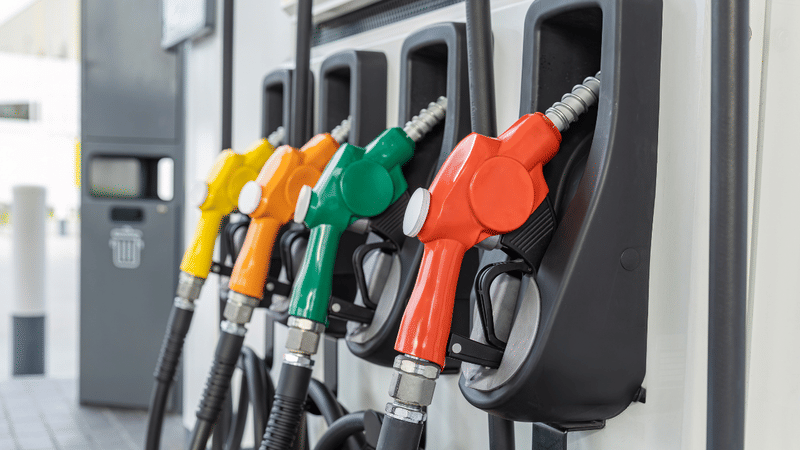
“We certainly need to put temporary measures in place immediately to minimize impact of fuel hikes,” PCCI President Ferrer said, underscoring the urgency as companies and households prepare for potential price increases.
The Philippine Chamber of Commerce and Industry (PCCI) has called on the government to take urgent measures to cushion the impact of rising fuel prices, warning that higher transportation and logistics costs could soon translate into increased prices of goods across the country.
PCCI President Perry Ferrer said the recent spike in fuel prices, driven by ongoing tensions in the Middle East, could immediately affect the cost of moving goods, placing additional pressure on businesses and consumers alike.
“We support whatever means, whether reducing excise tax, VAT, or tapping other funding sources, because we are in a crisis. If the market cannot absorb these pending price increases, the economy won’t run,” Ferrer said.
According to Ferrer, a potential increase of P17 to P20 per liter in diesel and gasoline would rapidly push up shipping and delivery costs across supply chains. “If fuel increases, the cost of moving goods increases immediately, and so do the prices of transporting goods,” he added.
The business group is urging the government to temporarily absorb part of the fuel price increases to maintain price stability and prevent further economic disruption.
Ferrer said the chamber hopes the president will be granted the authority to deploy additional fiscal measures if needed to mitigate the impact of potential price shocks in the coming days.
“Our request to government is to absorb temporarily the fuel price increases. Hopefully, the president will be given authority to exercise and use other means that will help cushion potential shocks this week or next week,” he said.
PCCI also stressed the importance of maintaining a stable fuel supply by strengthening imports from key regional suppliers such as Singapore, Malaysia, and South Korea, which provide much of the Philippines’ refined petroleum products.
Meanwhile, businesses are already implementing a range of cost-saving measures to manage rising operating expenses. These include carpooling initiatives, expanding work-from-home arrangements, adjusting air-conditioning usage, purchasing supplies in bulk, and investing in solar energy solutions.
“We certainly need to put temporary measures in place immediately to minimize impact of fuel hikes,” Ferrer said, underscoring the urgency as companies and households prepare for potential price increases.
Topics
Author
Loading...