








Economy Policy
Thailand pushes for reduced working hours, family and menstrual leave





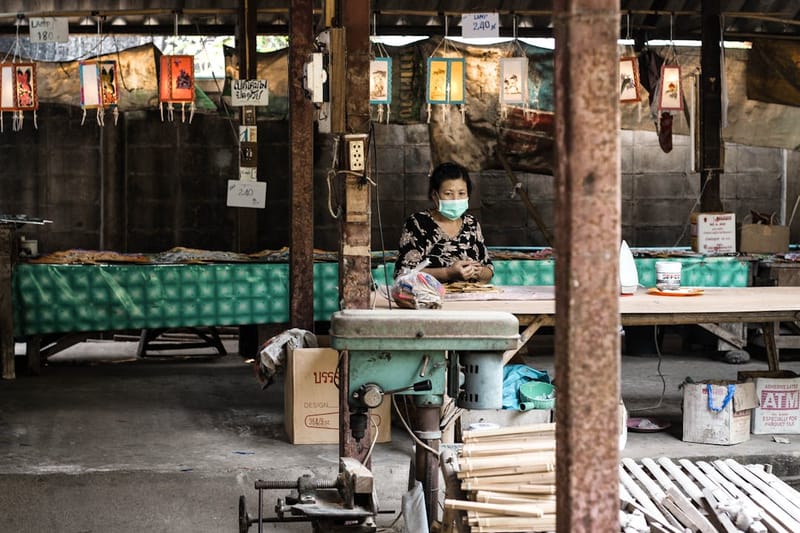
Thai lawmakers have approved two bills aimed at improving workers' rights, including reduced working hours and paid leave for family care and menstruation.
Thailand’s House of Representatives approved on Wednesday the first readings of two opposition-backed bills aimed at enhancing workers’ rights, including reduced working hours and allowing for family care and menstrual leave.
Both bills, which were supported by MPs of the People’s Party, will make amendments to the Labour Protection Act and now move to special committees for further review.
The first bill proposes limiting the work week to 40 hours for general labour and 35 hours for hazardous work, along with a mandatory two days off per week. Employees who have worked at least 120 days will also be entitled to at least 10 days of annual leave, with employers having the option to grant more
Chonburi MP Charas Khumkhainam, the bill’s primary sponsor, said the bill would benefit over 30 million workers in Thailand and improve their work-life balance in accordance with International Labour Organisation (ILO) standards.
Meanwhile, the second bill focuses on equality and gender rights, including prohibiting workplace discrimination based on sex, gender identity, religion, or political opinion. It also introduces family care leave, breastfeeding facilities at workplaces, and menstrual leave for female employees.
Party-list MP Wanwipha Maison, who sponsored the bill, told the House that many Asian countries, such as Japan, South Korea, and Vietnam, already have laws allowing workers to take leave for menstrual pain. She noted that fewer than 1% of workers take menstruation leave, meaning that it would not have a significant impact on businesses but is a step towards greater gender equality.
The House said it will establish special committees for each of the two bills, with at least 13 women to review the second bill.
The proposed laws are part of a larger overhaul of Thailand’s labour regulations. Earlier this year, the government raised the minimum wage from 337 to 400 baht, expanded paid maternity leave to 98, and introduced protections and benefits for gig and temporary workers. Employers are now also required to digitize employment records and contracts to improve transparency.
Author
Loading...