








Economy Policy
Workers question timing of Singapore political salary hikes, says MP Yeo Wan Ling





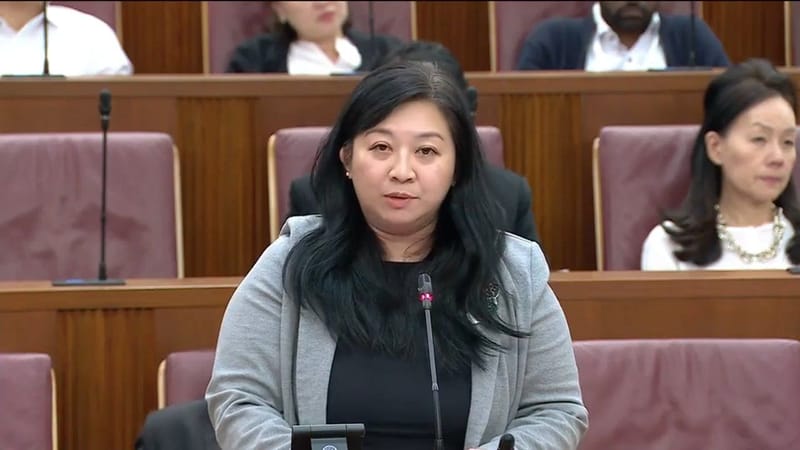
Singapore MP Yeo Wan Ling says workers are questioning the timing of a proposed 9% political salary increase amid rising living costs, job uncertainty, restructuring and AI disruption.
Workers have questioned the timing of proposed 9% increases in political salaries in Singapore, with concerns around rising living costs, job security, restructuring and AI-related disruption, said MP Yeo Wan Ling during a parliamentary debate on Thursday.
Speaking on September 10 during the debate on the review of political salaries for officeholders and MPs, Yeo said workers she had spoken to were not simply questioning the proposed adjustment, but whether it reflected the economic realities they were experiencing, according to Asia one.
Concerns over timing
“It was not simply a question about salary adjustments. It was a question about timing, and about whether workers feel that we are sharing the same realities that they are experiencing,” said Yeo, a MP for Punggol GRC.
She said that while Singapore’s economic indicators may appear healthy, workers’ experiences are shaped by rising household expenses and uncertainty around employment.
“Workers' wages have gone up, but so have their everyday expenses. Some told us that after accounting for the higher cost of living, they do not feel substantially better off, even with the support that the Government has provided,” said Yeo.
She added that workers remain concerned about the outlook for jobs and businesses, particularly as organisations undergo restructuring and adopt AI.
“Workers worry about jobs, about business conditions and about what restructuring and AI may mean for their livelihoods.”
Questions over 9% increase
Yeo said some workers believed political service should primarily be driven by a desire to serve and questioned whether further salary increases were necessary when political salaries were already at a “substantive” level.
Others, she said, accepted that political salaries needed to be reviewed but felt that the proposed 9% increase was too high, particularly when compared with the annual wage adjustments negotiated by workers.
“These are sentiments we must take seriously, I understand them not only because workers tell me so I understand them because I sit at the tables where their wages are negotiated,” said Yeo.
Political salaries reviewed after 15 years
Yeo also noted that political salaries have not been adjusted for 15 years, following a substantial restructuring in 2011.
At the time, the annual salary of an entry-level MR4 minister was reduced by 37%.
“That does not, by itself, justify any particular adjustment today, nor does it tell us that 9 per cent is the right number,” she said.
“But it does tell us that we should look at the whole period, and not just one number in isolation.”
Looking beyond headline numbers
Yeo said wage negotiations typically involve more than assessing the percentage increase. Unions, employers and the Government consider benchmarks, economic and manpower conditions, sustainability and the outcomes being rewarded.
“When we negotiate wages, we never look only at the headline number, we ask what sits behind that number. What is the benchmark, how does the pay move... and what outcomes are we rewarding,” she said.
She argued that similar considerations should be applied when assessing the proposed political salary adjustments.
Read more: Singapore PM Lawrence Wong to donate salary increase to charity for five years
https://sea.peoplemattersglobal.com/news/leadership/singapore-ministers-among-worlds-highest-paid-government-officials-get-first-raise-in-15-years-52001
Singapore ministers, among world's highest paid government officials, get first raise in 15 years
Author
Loading...