








Malaysia
Malaysia’s economy to grow up to 4.8% in 2025, says Central Bank



|
Updated on


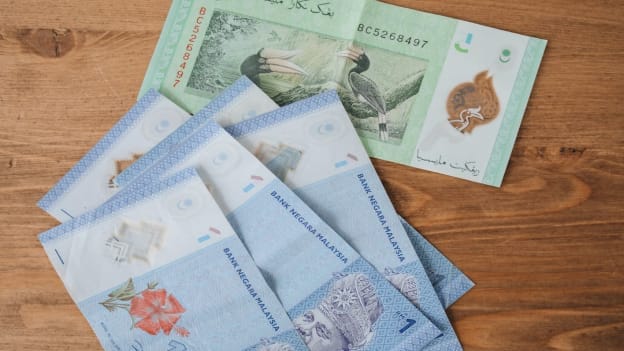
The Malaysian central bank lowered its growth forecast from 5.5%, citing shifting tariffs and market challenges.
Malaysia’s economy is projected to expand by 4% to 4.8% in 2025, down from a previous forecast of 4.5% to 5.5%, the nation’s central bank announced last week, warning that further growth may be affected by trade and tariff uncertainties.
Headline inflation is also expected to average between 1.5% and 2.3% this year, Bank Negara Malaysia said in a statement.
The central bank said the global economic growth outlook was affected by shifting trade policies and uncertainties surrounding tariffs, noting that Malaysia’s growth projections are based on various tariff scenarios, ranging from ‘continued elevation of tariffs to more favourable trade negotiation outcomes.’
While its growth projection remains subject to uncertainties surrounding the global economy, the central bank also emphasised that the Malaysian economy remains on a “strong footing”.
“Notwithstanding the external risks, growth will continue to be anchored primarily by resilient domestic demand. This provides a strong buffer against external headwinds,” the central bank said in a statement on its website. “Household spending is expected to continue expanding, supported by continued wage and employment growth, particularly within domestic-oriented sectors as well as income-related policy measures.”
The announcement comes as Malaysia secured a “win-win” tariff deal with the United States on Thursday, with the government agreeing to reduce or eliminate tariffs on 98% of American products in exchange for lowering tariffs on Malaysian goods from 25% to 19%.
Malaysian Trade Minister Zafrul Aziz said the current tariff rate is “fair” compared to those faced by other countries in the region, and that the Malaysia-US tariff deal is based on "thorough and methodical" negotiations.
"We look at this as a win-win for Malaysia and the U.S.," Zafrul said in a press conference. "So, there [were] many tariff lines that were requested, and we saw what was important. There are industries that we feel are still not ready."
The Malaysian government is also under increasing public pressure due to skyrocketing costs of living and new taxes on various goods. In July, an estimated 18,000 protesters rallied in Kuala Lumpur demanding Prime Minister Anwar Ibrahim’s resignation over his administration's supposed failure to deliver promised reforms.
Days earlier, Anwar announced a one-time cash aid for poor households and promised to lower fuel prices in a bid to quell discontent over rising prices.
"I acknowledge the complaints and accept that the cost of living remains a challenge that must be addressed, even though we have announced various measures thus far," Anwar said in a televised address.
Topics
Author
Loading...