








Wellbeing
Only 1 in 10 women feel workplaces are open to menopause support: Survey






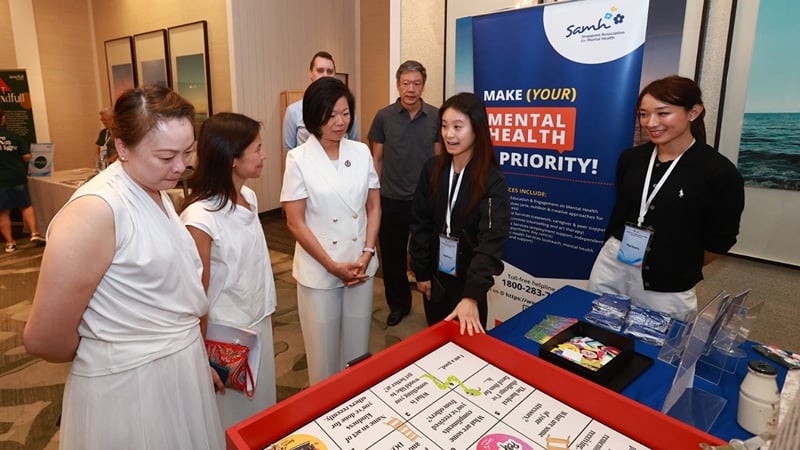
Singapore survey finds women want more flexible, supportive and inclusive workplaces, with gaps in support spanning caregiving, burnout, family planning and menopause.
Working women in Singapore face different workplace challenges across life stages, with burnout affecting early-career employees, flexibility emerging as a key need for caregivers, and limited workplace openness around perimenopause and menopause, according to a new survey.
The Women Across Life Stages survey was conducted jointly by the People’s Action Party (PAP) Women's Wing and NTUC Women and Family (NTUC WAF), covering 2,375 working women aged 18 and above. The online survey was conducted from Aug 3 to 31, 2026.
The findings examined three groups: early-career women; women balancing work with parenting, caregiving and family planning; and women experiencing perimenopause or menopause symptoms.
Early-career women face burnout
Among 224 early-career respondents, one in four said stress, anxiety, burnout or emotional strain had significantly affected their work.
High pressure to perform was identified by 47 per cent of respondents as a key contributor, while 41 per cent cited excessive workloads or long working hours.
While half said they were comfortable seeking support outside work, only 21 per cent felt comfortable approaching their manager or HR department about stress-related concerns.
Flexibility key for caregivers
Flexible working emerged as the most sought-after workplace support among working mothers and women with caregiving responsibilities.
Among 912 working mothers surveyed, 61 per cent said flexible work arrangements, including working from home, would provide the most support. This was followed by a supportive workplace culture at 46 per cent and flexible start and end times at 43 per cent.
Among 819 women caring for an elderly parent, family member or dependent adult, 68 per cent said flexible work arrangements would help reduce caregiving strain. Understanding supervisors and managers were cited by 44 per cent, while 43 per cent wanted a more supportive workplace culture.
For 147 new mothers returning to work while breastfeeding or pumping, 51 per cent wanted sufficient time to pump at work, while 50 per cent cited access to a private space. Another 42 per cent identified flexible work arrangements as valuable support.
“Flexible work arrangements remain important, but women must also feel confident using them without being seen as less committed,” said Yeo Wan Ling, MP for Punggol GRC, NTUC assistant secretary-general and director of NTUC WAF.
“As caregiving becomes more complex, we should also study the role of family-care leave alongside flexible work arrangements.”
Menopause support remains limited
The survey also highlighted workplace challenges faced by women experiencing perimenopause and menopause.
Among 288 respondents experiencing symptoms, 61 per cent said low energy and fatigue had the greatest impact on their work or well-being, followed by poor sleep at 50 per cent.
Despite these challenges, only one in 10 respondents said their workplace was open to discussing support for perimenopause or menopause.
The findings come as the PAP Women's Wing plans to work with community partners, including the Obstetrical & Gynaecological Society of Singapore, on workshops covering women's health and well-being, including mental health, fertility, perimenopause and menopause.
Employers urged to improve support
The PAP Women's Wing will also work with NTUC WAF to encourage employers to strengthen support for women's health and caregiving needs, including through flexible working arrangements.
Among women considering whether to start a family or have more children, 41 per cent cited the cost of raising children as a concern. Long working hours or workload followed at 34 per cent, while 31 per cent cited housing or financial readiness.
Gan Siow Huang, MP for Marymount SMC, Minister of State for Foreign Affairs and Trade and Industry, and adviser to the Women's Wing research group said, “Women should not have to struggle in silence or compromise their well-being to succeed at work."
“Employers, managers and co-workers can take action to create workplaces that are more flexible, inclusive and responsive to women’s needs while fostering a supportive workplace culture where everyone feels valued and empowered to thrive.”
The survey points to the need for employers to consider women's workplace support across different stages of working life, spanning mental well-being, caregiving, flexible work, family planning and menopause support.
Author
Loading...