








Economy Policy
Malaysia strengthens social protection system with gig worker and non-work accident reforms






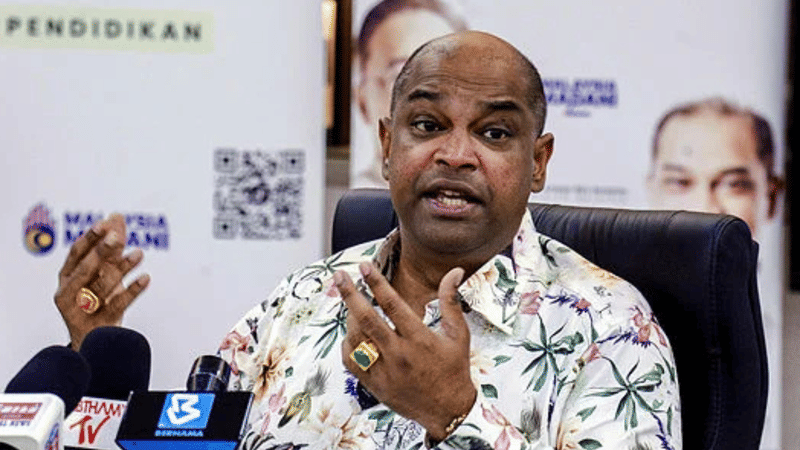
The legislation is designed to provide greater protection and rights for more than 1.6 million gig workers in Malaysia, reflecting the growing importance of platform-based and flexible work arrangements in the country’s labour market.
Malaysia is pressing ahead with efforts to modernise its social protection framework, with new reforms aimed at extending coverage to gig workers and strengthening safeguards for employees beyond the workplace.
Human Resources Minister R. Ramanan said the government remains committed to building a social protection system that is more inclusive, sustainable and responsive to the changing nature of work under the leadership of Prime Minister Anwar Ibrahim.
Speaking during a courtesy call by the Malaysian delegation on the President of the International Social Security Association, Mohammed Azman Aziz Mohammed, in Geneva, Ramanan highlighted several reforms introduced by the government to strengthen worker welfare and social security.
Among the key measures is the Gig Workers Act 2025, which came into force on March 31, 2026. The legislation is designed to provide greater protection and rights for more than 1.6 million gig workers in Malaysia, reflecting the growing importance of platform-based and flexible work arrangements in the country’s labour market.
Ramanan said the government’s approach seeks to strike a balance between protecting workers’ interests and preserving employers’ competitiveness, ensuring that economic growth remains sustainable while workforce protections are expanded.
He also highlighted the implementation of the LINDUNG24 Scheme, a Non-Work Accident Scheme that took effect on June 1, 2026.
The initiative extends comprehensive social security coverage to more than nine million workers nationwide, covering accidents regardless of where or when they occur, including incidents outside working hours.
Introduced through amendments to the Employees’ Social Security Act 1969, the scheme broadens Malaysia’s social safety net by extending protection beyond the workplace to include weekends and public holidays.
According to Ramanan, the Geneva visit also provided an opportunity for Malaysia and the ISSA to exchange views and share best practices in social security administration, further strengthening cooperation on advancing social protection policies at both national and international levels.
Author
Loading...